Loxford removals: parking permits and Redbridge council rules
Posted on 26/06/2026
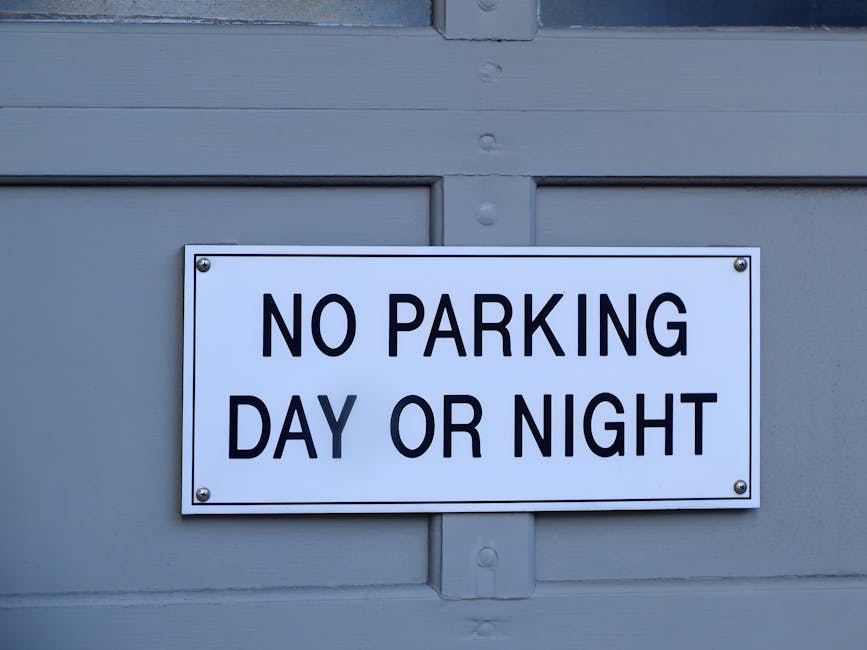
If you are planning a move in Loxford, the parking side of the job can make or break the day. A perfectly packed van still gets stuck if there is nowhere sensible to stop, and that is where Loxford removals: parking permits and Redbridge council rules suddenly becomes the thing everyone wishes they had checked sooner. In a busy residential area, a little planning goes a long way. Miss the parking detail and you can end up carrying boxes farther than expected, rushing loading times, or dealing with avoidable disruption. Nobody wants that on moving day, least of all when the kettle is already packed.
This guide explains how local parking and council considerations typically affect removals in Loxford, what to check before the van arrives, and how to reduce stress if your street is tight, permit-controlled, or shared with flats. It is written to be practical, not fussy, because moving is already enough of a headache. Let's make the parking piece simpler.
Why Loxford removals: parking permits and Redbridge council rules Matters
Parking is not just a convenience on moving day. It affects timing, safety, access, neighbour relations, and often the total cost of the move. In an area like Loxford, where you may be dealing with terraced streets, shared drives, flats, or narrow access roads, the difference between "we parked outside" and "we had to double-handle everything" can be huge.
For household moves, the risk is straightforward: if the removal vehicle cannot stop near the entrance, loading takes longer and the carrying distance increases. That means more lifting, more fatigue, and more chance of damage. If you are moving into or out of a flat, the issue gets even sharper. A building entrance that looks fine in the morning can become awkward once resident bays fill up or delivery vehicles take the best spots.
There is also the council side. Redbridge council rules, parking restrictions, controlled zones, suspended bays, and permit requirements can all affect when and where a removals vehicle can stop. Even if a road looks calm on a Sunday, the rules may still apply. That is the bit people often miss. To be fair, councils do not always make things feel especially intuitive.
For a local move, getting this right protects the whole day. It helps you avoid penalties, reduces stress for the driver, and keeps the schedule realistic. If you are preparing a flat move, you may also find it useful to read about stair access and narrow hall challenges in Loxford flats, because parking and access issues usually show up together, not separately.
How Loxford removals: parking permits and Redbridge council rules Works
The basic idea is simple: before the moving van arrives, you need to know whether the vehicle can legally stop close enough to load or unload. In practice, this means checking a few things in advance rather than hoping for the best on the day.
First, identify the exact address and the likely stopping point for the van. Is it a permit-controlled resident bay, a pay-and-display bay, a loading area, a single yellow line, or an unrestricted stretch of road? The answer matters because different parking situations carry different rules and risks.
Second, consider the timing. Some restrictions only apply during certain hours, while others are all-day rules. A street that seems fine in the evening may be busy or restricted in the morning. This is especially relevant if your move is scheduled for early weekday hours when residents are leaving for work and local traffic is already moving.
Third, think about the size and type of removal vehicle. A small van can sometimes fit into a tighter space than a larger luton-style vehicle, but the loading process still needs room to work safely. If you are using a larger van, a bay or legal stopping point needs to be realistic for the vehicle's length and any tail lift use. No point squeezing into a spot you cannot actually use.
Fourth, coordinate permissions where needed. Some moves require a permit, bay suspension, or prior approval from a managing agent or building office. In other situations, you may only need common sense and good communication with neighbours. It depends on the road and the property. If you are unsure, ask early, because last-minute parking requests are where things get messy.
A sensible approach is to map the move backwards. Start with the front door, then the path to the vehicle, then the parking option, then the council or building rules that affect that option. That order feels a bit backwards at first, but it saves time. And time, on moving day, is the thing that runs away fastest.
Key Benefits and Practical Advantages
Sorting parking and council rules before the move gives you a surprisingly long list of benefits. The most obvious one is speed. When a van can stop close to the property, loading and unloading become cleaner, quicker, and less physically draining.
It also improves safety. Fewer trips between the property and the vehicle means fewer chances of slipping, dropping items, or twisting awkwardly with a heavy box. That is especially important if you have furniture, awkward appliances, or stairs in the mix. If you are moving anything bulky, it is worth taking a look at proper lifting technique guidance before moving day. It sounds dramatic, but your back will thank you.
Another benefit is cost control. Longer carrying distances often translate into more labour time. Even when a move is booked by the job rather than the hour, parking difficulties can still create pressure, delays, or extra complexity. In short: the smoother the access, the better the value.
Then there is peace of mind. You will know the van is not parked in the wrong place, the driver is not trying to improvise under pressure, and neighbours are less likely to be irritated by a blocked entrance or a rushed manoeuvre. That calm feeling matters more than people expect. Honestly, it changes the tone of the whole day.
- Faster loading and unloading thanks to shorter carrying distances.
- Less physical strain when boxes and furniture do not need to be dragged far.
- Lower disruption for neighbours, residents, and building access.
- Better schedule control if the van can park where planned.
- Reduced risk of fines or complaints when parking is checked properly.
Who This Is For and When It Makes Sense
This topic matters to almost anyone moving in or out of Loxford, but some people need to think about it more than others.
Flat movers are often the most exposed to parking headaches. Shared access, limited visitor bays, lift bookings, and stairwells all pile up. If you are in a block, planning the parking arrangement early is just sensible. You may want to read practical advice for removals from Loxford Lane flats if your move involves communal access or a tight entrance.
Families moving house benefit from a clear parking plan because there are usually more items, more handover tasks, and often more people arriving and leaving at the same time. A driveway or on-street space that seemed adequate can become awkward once the van arrives and the kids are carrying odd-shaped bags behind you.
Students and renters should pay close attention too. End-of-tenancy timings can be tight, and parking restrictions can collide with check-out deadlines. If that sounds familiar, student removals in Loxford may be worth considering alongside your parking plan.
Office movers need parking certainty because equipment, files, and furniture often move on a fixed timetable. Delays are more than annoying; they can affect the working day. And yes, office moves somehow always include one printer that weighs more than it should.
Anyone moving bulky items such as sofas, beds, pianos, or appliances should think about access and parking together. A heavy item carried farther than expected is more likely to get damaged. For those moves, the advice in why professional help matters for difficult moves can be useful context, even if you are not moving a piano specifically.
Step-by-Step Guidance
Here is a practical way to handle parking and council-related planning without turning the move into a research project.
- Check the property access first. Walk the route from the front door to the road. Note gates, steps, narrow paths, dropped kerbs, and any spot where a trolley would struggle.
- Identify the nearest legal stopping point. This may be a bay, a loading area, a side street, or a controlled space that can be used for a short period.
- Look at the road restrictions. Pay attention to permit zones, loading limits, resident-only bays, waiting restrictions, and any signs that apply at the exact time of your move.
- Decide whether a permit or suspension is needed. If the road is tightly controlled, contact the relevant council or building management process in good time. Do not leave this to the week of the move if you can help it.
- Choose the right vehicle size. A smaller van can help in tighter streets, but only if it still fits the job properly. There is a balance here.
- Plan the loading order. Put awkward or heavy items close to the exit path, and reserve easy-to-carry boxes for later.
- Inform neighbours or the building manager if needed. A simple heads-up can prevent a complaint about access or noise, especially in shared developments.
- Prepare a backup plan. If the ideal bay is blocked, know where the van can legally and safely wait while you adjust.
If you are dealing with a bigger household move, it helps to combine this with a packing plan. A well-labelled stack of boxes by room can save time once the van is parked. The article on organised packing for a house move is a good companion piece for that side of the job.
One small but helpful habit: take photos of the street, the signs, and the final parking spot once everything is agreed. You probably will not need them, but if a question comes up later, you will be glad you have them. Simple stuff, but useful.
Expert Tips for Better Results
After enough moves, a few patterns become obvious. The moves that go best are not the luckiest ones; they are the ones with fewer assumptions.
Book with access in mind, not just van availability. A remover who understands local parking pressure can help you avoid the classic mistake of choosing a vehicle that is fine in theory but awkward in the actual street. That little bit of realism matters.
Keep your time window realistic. If parking is likely to be tight, avoid an over-optimistic schedule. Build in a buffer. Even fifteen or twenty minutes can make the whole thing feel less frantic.
Use a room-by-room packing order. That way, if unloading is interrupted by a parking issue or a short wait, your belongings stay organised. If you want a refresher, step-by-step decluttering before a move can also help reduce the total load before you ever reach the kerb.
Protect the awkward furniture first. Sofas, beds, mattresses, and long pieces are the ones that suffer most when parking is far away. Good wrapping and sensible loading order make a big difference. The guide on sofa protection and storage strategies has practical ideas that translate well to moving day too.
Keep communication short and clear. If you are dealing with a landlord, building manager, or neighbour, a straightforward explanation beats a long message. "The removals van will need space from 9:00 to 11:00" is often enough. No drama.
Think about weather and visibility. Rain makes long carries harder. Dusk makes street parking and loading less pleasant. That sounds obvious, but in real life it often gets ignored until someone is standing in a drizzle with a box of books. Not ideal.

Common Mistakes to Avoid
Most parking problems during Loxford removals are preventable. The trouble is, they are easy to overlook when you are focused on everything else.
- Assuming a street is unrestricted because it looked quiet. Quiet does not mean legal.
- Not checking the exact time restrictions. Some spaces are usable only outside certain hours.
- Booking a van without considering the road width. A bigger van is not always a better van.
- Forgetting about height or turning space. This is common near tighter residential layouts.
- Leaving permits or permissions to the last minute. Delays here can snowball.
- Parking too far away "just for a moment". That moment becomes a long carry very quickly.
- Ignoring neighbours or shared access rules. Especially in blocks, this can create unnecessary friction.
Another one, and it happens all the time: people forget the return journey. The van may need to leave and come back, or the driver may need a second stop. If you have not planned for that, you can end up with no legal place to re-load. A small oversight, big headache.
If you want to avoid related moving expenses, it is worth reviewing how to avoid hidden removal fees in Loxford. Parking mistakes and pricing surprises often sit close together.
Tools, Resources and Recommendations
You do not need a complicated toolkit for this. What you need is a few reliable things and a habit of checking details early.
- Paper or digital checklist for parking, permits, access, and timings.
- Phone camera to document signs, bay markings, and access points.
- Basic floor plan or room list so the unload order stays efficient.
- Labels and marker pens to keep boxes grouped by room.
- Trolley or sack truck where space and surface conditions allow.
- Protective covers and blankets for furniture and mattresses.
- Contact details for property management if approval is needed.
For bigger or more complex moves, a professional local removals team can be the difference between a smooth day and a very long one. The broader removals services overview is a sensible starting point if you want to compare support options. If you need a simple, flexible vehicle for a straightforward job, man with a van in Loxford can be a more practical fit. For heavier, more furniture-heavy moves, furniture removals may be the better match.
If you are unsure about pricing structure, look at pricing and quotes before you commit. Parking constraints sometimes change the best vehicle or service choice, so it helps to compare options with the access situation in mind.
And if the move is happening fast, there is always the option of same-day removals in Loxford. Just remember that speed and parking planning still need to work together. One does not cancel out the other.
Law, Compliance, Standards, or Best Practice
When you are dealing with parking and council rules, the safest mindset is simple: treat signage, markings, and local restrictions as binding unless you have confirmed otherwise. Do not rely on what a neighbour says, and do not assume "everyone parks there" makes it acceptable. It does not.
Redbridge council rules may involve permit-controlled streets, loading limits, or restrictions on waiting and stopping. Exact requirements can vary by location and by time of day, so the right approach is always to verify the specific street and date for your move. If the property is in a managed development, building rules may matter as much as road rules. Sometimes more.
Best practice in removals also means working safely around the vehicle. Drivers should not be forced into unsafe manoeuvres, blocked sightlines, or impossible kerb positions just to save a few metres. Likewise, movers should not be carrying heavy items through traffic or across awkward distances if that can be avoided. The practical goal is safe, legal, and efficient access.
For tenants, it is also sensible to keep your move aligned with your tenancy obligations. Leaving the property on time, clearing items properly, and respecting shared spaces all matter. If you are near the end of a tenancy and have bulky items left over, the guide on emergency clearance after tenancy end in Loxford may be helpful.
Practical rule of thumb: if you are not completely sure the stop is legal and practical, assume it is not and check again.
Options, Methods, or Comparison Table
Different parking approaches suit different moves. The best option depends on road layout, vehicle size, timing, and how much furniture you are shifting.
| Approach | Best for | Pros | Potential drawbacks |
|---|---|---|---|
| Street parking close to the property | Most standard house moves | Fast loading, simpler carrying, less fatigue | May require a permit or be restricted at certain times |
| Managed bay or suspended space | Flats, busy roads, tighter streets | Better certainty and clearer access | Needs planning and sometimes approval in advance |
| Vehicle parked slightly farther away | Short, light moves where restrictions are unavoidable | Can work in constrained locations | Longer carries, slower pace, more physical effort |
| Smaller van for narrow access | Compact moves, student moves, light furniture | Easier to place and manoeuvre | May require more trips if the load is large |
| Professional removal team with local planning | Furniture-heavy, time-sensitive, or complex moves | Better coordination, safer handling, less guesswork | Can cost more than a basic DIY approach |
There is no single "best" answer. A student move to a flat with light belongings may work perfectly with a smaller vehicle and straightforward loading. A family house move with beds, wardrobes, and a sofa is a different story. The right method is the one that fits the street, not just the budget.
Case Study or Real-World Example
Picture a typical Friday move in Loxford. A family is leaving a two-bedroom property and heading to another part of Redbridge. The van is booked for late morning. At first glance, the road looks manageable. There is a row of parked cars, some resident bays, and a little gap near the property.
Here is where the planning pays off. The movers check the access early, spot that the nearest bay is controlled, and confirm that the vehicle cannot block the entrance without causing issues. Instead of arriving and hoping for the best, they arrange a legal stop point closer to the property and prepare the items by room. The sofa, bed parts, and boxes are staged near the exit. The loading takes less time than expected, and nobody is left carrying a mattress down the road while worrying about a neighbour coming home.
Now compare that with the opposite version. No parking check, van arrives, no space in the first choice area, and the team has to improvise. Someone stands with hazard lights on. Another person keeps asking whether the driver can just "leave it there for two minutes". The two minutes turn into ten. The schedule slips, tempers rise, and you can almost hear the cardboard box tape giving up.
The difference is usually not talent. It is preparation.
For local streets and shared layouts, you may also want to review street-by-street moving tips for Loxford Estate and parking advice near Redbridge Town Hall. Those situations tend to reward early planning. A lot.
Practical Checklist
Use this before moving day. It is the kind of list that saves you from a last-minute scramble.
- Confirm the moving date, time, and estimated arrival window.
- Check the exact property address and entrance route.
- Identify the nearest legal parking or stopping option.
- Review local restrictions for the street and time of day.
- Ask whether a permit, bay suspension, or building approval is needed.
- Measure the road access if the van is large or the street is tight.
- Warn residents, neighbours, or building management if appropriate.
- Prepare boxes, labels, and protective materials before the van arrives.
- Keep bulky items near the exit so loading is efficient.
- Photograph signs and the chosen parking spot for reference.
- Have a backup parking plan in case the first option is blocked.
- Review insurance and safety expectations for the items being moved.
If you want help getting the rest of the house in order before the van turns up, the article on pre-move home cleaning is a practical companion. Clean surfaces, clear walkways, and fewer loose bits underfoot make access easier too.
Conclusion
Parking and council rules may not be the glamorous part of moving, but they are often the part that decides whether the day feels controlled or chaotic. When you plan Loxford removals with parking permits and Redbridge council rules in mind, you give yourself a cleaner loading process, a safer carry, and a much better chance of finishing the move without that drained, slightly shell-shocked feeling.
The simple habit is this: check the street, check the rules, check the access, then book the right help for the job. That combination saves time, reduces stress, and protects both your belongings and your energy. And to be fair, on moving day, energy is precious.
Get a free quote today and see how much you can save.
Small details make a big difference, and a well-planned move has a way of feeling lighter all the way through. One careful check at the kerb can save a whole lot of hassle inside the house.