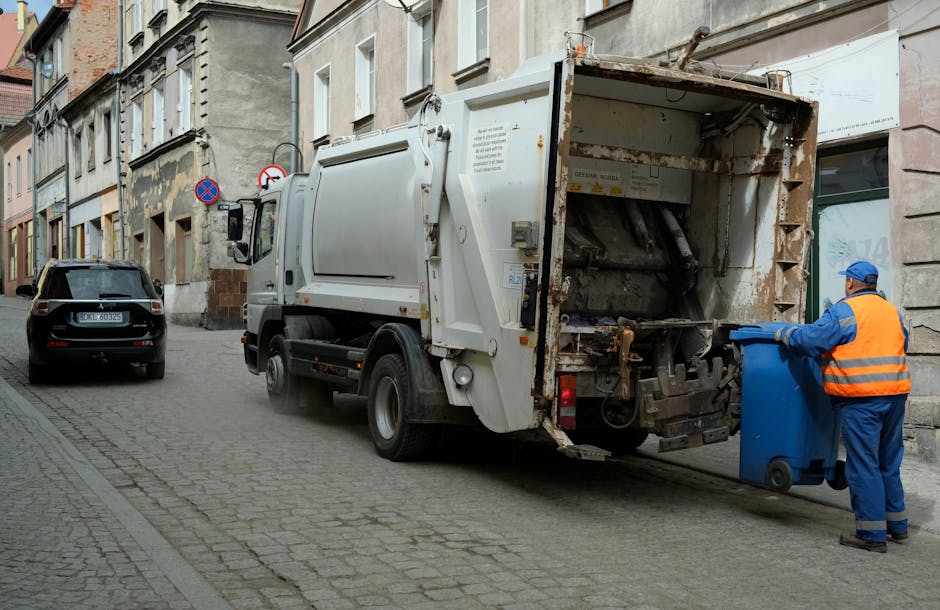
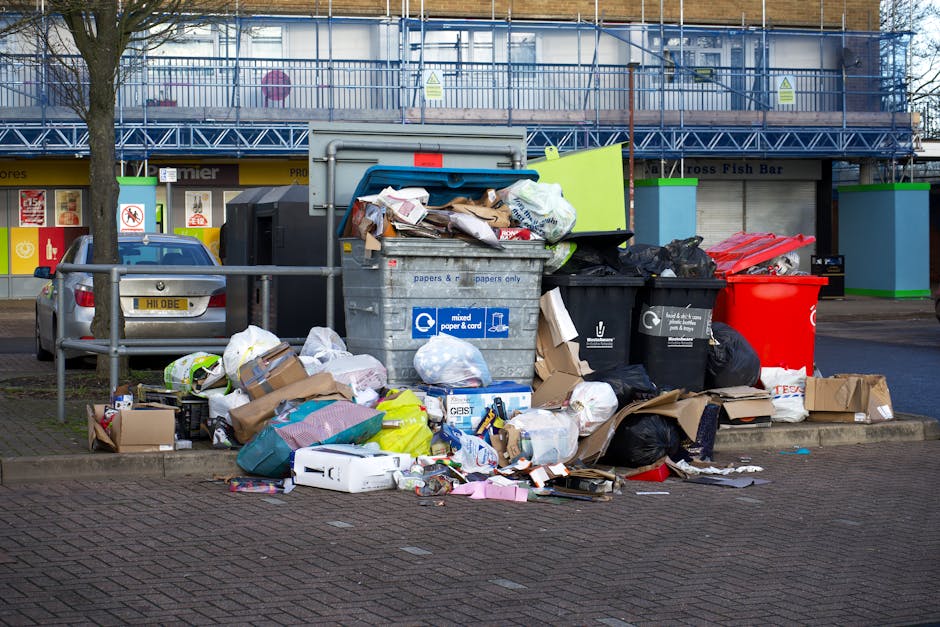
Dealing with bulky waste on Loxford streets: a practical local guide
If you have ever stood on a pavement with an old wardrobe, a broken sofa, or a freezer that somehow feels heavier every minute, you will know the issue is not just getting rid of it. It is the awkward part too: where to put it, how to move it safely, what is allowed on the street, and how to avoid leaving a mess behind. Dealing with bulky waste on Loxford streets is one of those everyday jobs that looks simple until you are actually doing it. Then the questions start. Do you need help? Can it be moved today? What is the safest route? And what if the item is too large for one person, which, let's face it, is often the case.
This guide brings together the practical side of bulky waste removal in Loxford: how it usually works, the real risks, the best ways to prepare, and when a professional removal service makes more sense than trying to wrestle a heavy item down the stairs yourself. It is written for people who want clear answers, not vague advice.
Table of Contents
- Why Dealing with bulky waste on Loxford streets Matters
- How Dealing with bulky waste on Loxford streets Works
- Key Benefits and Practical Advantages
- Who This Is For and When It Makes Sense
- Step-by-Step Guidance
- Expert Tips for Better Results
- Common Mistakes to Avoid
- Tools, Resources and Recommendations
- Law, Compliance, Standards, or Best Practice
- Options, Methods, or Comparison Table
- Case Study or Real-World Example
- Practical Checklist
- Conclusion
- Frequently Asked Questions
Why Dealing with bulky waste on Loxford streets Matters
Bulky waste is more than an inconvenience. On busy residential streets, one oversized item left in the wrong place can create a chain reaction: blocked footpaths, unhappy neighbours, bin lorries struggling for access, and a genuine trip hazard for anyone walking past. In a place like Loxford, where homes, flats, shops, and parked cars often sit close together, that matters even more. Space is tight, access can be awkward, and there is rarely room for "I'll move it later".
There is also the visual side of it. A sofa or mattress left out for too long can make a street look neglected even when the people living there are simply trying to handle a disposal problem responsibly. Nobody wants to be that house with the broken fridge out front in the drizzle. It happens, though. Usually because the item was too difficult to move in one go, or because people were waiting for the right collection slot and the timing got messy.
From a practical point of view, the stakes are straightforward. Bulky items are often awkward, dusty, sharp-edged, or unstable. Some are heavy in a way that is deceptive; a wardrobe can look manageable until you try turning it on a narrow landing. Others, like a mattress or sofa, are awkward because of size rather than weight. Either way, dealing with them properly is part safety, part courtesy, and part logistics.
If you are moving home at the same time, the problem gets bigger. That is where a bit of planning makes a huge difference. Guides like step-by-step decluttering for a smooth move and tips for a more carefree house move can help you decide what should go, what should stay, and what might be better stored or moved separately.
How Dealing with bulky waste on Loxford streets Works
In plain English, bulky waste removal usually follows one of three routes: scheduled collection, private removal, or reuse/recycling where appropriate. The right choice depends on the item, how quickly it needs to go, and how much lifting you are prepared to do yourself.
For most people, the process starts with sorting. You identify the item, check whether it is reusable, decide whether it needs dismantling, and figure out if it can be moved safely. A bed frame, for example, may need to come apart first. A fridge may need to be disconnected, emptied, and dried before it moves anywhere. A piano is in a different category altogether; that is not a casual two-person lift and a quick shuffle to the kerb. If you have ever watched a DIY move go sideways, you will know why professional handling matters. There is a useful reminder of that in this guide on DIY moving disasters and professional help.
Once the item is ready, the next step is access. Can it be carried out through the front door? Does it need protective wrapping? Will it damage the walls, stairs, or flooring if you try to drag it? These small details make a big difference. In fact, some of the most common issues are not the item itself but the route out of the property.
After that comes transport. Some bulky waste can be loaded into a van and taken away in one visit. Other items may be split into parts or moved in stages, especially if they are very large or fragile. A decent removal crew will think about weight distribution, securing the load, and protecting surfaces. That is why services such as removal services in Loxford or man with a van in Loxford are often a better fit than trying to improvise with a hatchback and a prayer.
Key Benefits and Practical Advantages
Handling bulky waste properly gives you more than just a clear hallway. The benefits are easy to underestimate until you have lived through the alternative.
- Less physical risk: Heavy lifting without the right technique is how backs get strained and fingers get trapped. Not dramatic, just true.
- Cleaner access routes: Clear pathways reduce damage to doors, walls, carpets, and shared hallways.
- Faster turnaround: A well-planned removal is usually much quicker than repeated solo attempts.
- Better neighbour relations: No one enjoys stepping around a blocked pavement or seeing waste sit out for days.
- More responsible disposal: Items can be separated for reuse, recycling, or proper handling rather than dumped carelessly.
There is also a very practical emotional benefit: relief. Once the sofa, freezer, mattress, or broken cabinet is gone, a room can feel bigger almost immediately. You can hear that difference too. The echo changes a bit. The air feels less cluttered. It sounds a bit poetic, perhaps, but anyone who has cleared a cramped flat knows exactly what I mean.
If your bulky item is part of a wider clear-out, you may want to combine disposal with storage or packing decisions. For example, if you are not ready to get rid of everything at once, storage in Loxford can buy you time. And if the item is still worth keeping but difficult to protect, articles like sofa storage strategies from experts and safe storage for an unused freezer are genuinely useful.
Who This Is For and When It Makes Sense
This kind of service is useful for a wide range of people, not just those mid-house-move. In practice, bulky waste removal is often needed by:
- homeowners replacing furniture or appliances
- tenants clearing a property before handing back the keys
- landlords preparing a flat for new occupants
- students leaving shared accommodation with leftover furniture
- small businesses clearing old office equipment
- anyone dealing with a one-off awkward item that cannot simply be bagged and binned
It makes sense when the item is too heavy, too large, too awkward, or too time-sensitive to manage alone. A mattress in a stairwell during a Sunday evening move? That is a classic moment where a professional approach is worth its weight. The same goes for desks, wardrobes, corner sofas, and oversized appliances.
If you are a student, timing is often the real problem. End-of-term moves are chaotic, and bulky waste tends to appear right when everyone is leaving at once. In those cases, student removals in Loxford can be a better fit than trying to sort everything on your own. For families, the need often arrives during a bigger home move, where house removals in Loxford or flat removals in Loxford naturally overlap with bulky waste clearance.
Sometimes the right answer is simply: not now, but soon. And that is fine. The point is to choose the timing that keeps the move safe and sane.
Step-by-Step Guidance
Here is a practical sequence that works well in real life, especially when you are trying to clear bulky waste without turning the day into a mess.
- Identify the item clearly. Check the size, approximate weight, and whether it can be dismantled.
- Decide whether it is reusable, recyclable, or rubbish. A useful item in decent condition may be better donated, stored, or resold.
- Measure the route out. Doorways, stairs, tight corners, and communal halls can all be the real barrier.
- Prepare the item safely. Remove loose parts, unplug appliances, tape moving components, and empty drawers or shelves.
- Protect the property. Use blankets, corner protection, gloves, and floor coverings where needed.
- Choose the right removal method. Self-removal, van transport, or a managed removal service each suits different situations.
- Load and secure properly. The item should not slide, tip, or crush lighter items in transit.
- Confirm disposal or onward destination. Make sure the item goes where it should, whether that is recycling, storage, reuse, or an approved disposal route.
One small but important tip: do not leave the decision about dismantling until the last minute. People often assume "we'll figure it out on the stairs" and, honestly, that is how doors get scratched and tempers get short. Planning ahead is calmer. Much calmer.
If you are already packing for a move, combine this with a structured approach using organised packing solutions and suitable packing and boxes in Loxford. A tidy approach to packing often reveals which bulky items you no longer need at all.
Expert Tips for Better Results
Experienced movers tend to think in terms of route, weight, and timing. That sounds obvious, but it is what separates a smooth removal from an exhausting one.
- Start with the awkward objects first. The biggest item often dictates the rest of the plan.
- Keep the pathway clear. Shoes, rugs, bins, and kids' bikes have a way of appearing exactly where you do not want them.
- Use the right grip and posture. Good lifting habits matter. A short refresher on kinetic lifting techniques can save a lot of trouble.
- Do not underestimate shared spaces. Flats and terraces often have narrow stairs and turns that change the whole plan.
- Wrap surfaces that scratch easily. Gloss furniture, painted walls, and polished floors can all take accidental damage fast.
- Think about what happens after the item leaves. If the item is being stored, moved, or cleaned before disposal, plan for that next stage too.
One of the best habits is to pause before lifting and ask: "Can I do this safely, or am I just hoping for the best?" That tiny question prevents more headaches than most people realise. And if the answer is no, there is no shame in calling for help.
Another practical tip: if an item is still in decent condition but not staying in the house, consider whether it should be protected for storage rather than dragged straight to the pavement. That is especially true for sofas, beds, mattresses, and appliances. The right decision now can save money later.
Common Mistakes to Avoid
Most bulky waste problems come from a handful of predictable mistakes. Avoiding them is usually easier than fixing them afterwards.
- Putting the item out too early. It can create obstruction, attract attention, or simply sit there in the rain until collection day.
- Skipping measurements. Many removal headaches start with "I thought it would fit".
- Trying to move something too heavy alone. A second person is not always optional.
- Forgetting to empty drawers, shelves, or appliance contents. That extra weight matters, and so does spillage.
- Dragging items across floors. It seems quicker. Then you hear the scratch. Ouch.
- Ignoring access problems. Tight staircases, parking, and entry restrictions should be considered before the job starts.
- Mixing clean reusable items with damaged waste. It complicates sorting and may reduce recycling or reuse opportunities.
One recurring mistake is leaving a decision until the moving day itself. If you know a sofa is not coming with you, deal with it before the rush begins. Same with old appliances, bed frames, and the mystery chair that no one likes but somehow still owns. Truth be told, clutter often survives because people are busy, not because they want it.
Tools, Resources and Recommendations
You do not need a warehouse of gear to handle bulky waste well, but a few practical tools make life easier.
- Moving blankets or furniture covers: useful for sofas, wardrobes, and anything with delicate surfaces.
- Ratchet straps or tie-downs: helpful for securing loads in a van.
- Work gloves: basic, but worth it for grip and protection.
- Felt pads, boards, or floor protection: useful when moving heavy pieces across indoor surfaces.
- Basic tools for dismantling: screwdrivers, Allen keys, and spanners can save a lot of struggle.
- Labels and tape: especially useful if the item is being broken down and rebuilt later.
For larger jobs, a van and experienced loading help can be more useful than any tool in the box. Services like removal van hire in Loxford and man and van in Loxford can bridge the gap between "I can sort some of it" and "I need proper help".
If the bulky item is part of a bigger move, the wider support matters too. Removals in Loxford, removal companies in Loxford, and the services overview can help you compare options without guesswork. If speed is the priority, there is also same-day removals in Loxford, which can be useful when a bulky item needs to be cleared quickly.
Law, Compliance, Standards, or Best Practice
Bulky waste removal in the UK generally needs to be handled responsibly, and local expectations matter. The broad principle is simple: do not obstruct roads or pavements, do not create hazards, and make sure waste goes through a legitimate disposal route. If you are arranging removal, it is sensible to check that the provider handles items properly and keeps to safe working practices.
For householders, best practice usually means preparing the item in a way that reduces risk to people and property. That includes disconnecting appliances safely, removing loose parts, and not leaving sharp or unstable objects where children, pedestrians, or neighbours could come into contact with them.
If you are using a removal company, trust signals matter. A good provider should be clear about how they handle loading, what they can transport, and what happens if a job changes on arrival. Their information about health and safety policy, insurance and safety, and recycling and sustainability can help you judge how seriously they take the work. It is also worth checking the practical side of booking and payment through pricing and quotes and payment and security.
For readers who want to understand the company side a bit more, the about us page, terms and conditions, and complaints procedure are all sensible pages to review. That sort of detail may feel dry, but it builds confidence. And confidence matters when you are handing over heavy, awkward belongings.
Options, Methods, or Comparison Table
There is no single best method for every bulky waste job. The right choice depends on urgency, item size, access, and whether you need extra handling.
| Method | Best for | Pros | Trade-offs |
|---|---|---|---|
| Self-removal | Small to medium items, easy access | Low cost, flexible timing | Heavy lifting, transport hassle, higher risk of damage |
| Man and van service | General bulky waste, furniture, mixed loads | Flexible, practical, quicker loading | May need preparation and clear access |
| Specialist removals | Large, fragile, or difficult items | Better handling, safer for awkward objects | More planning may be needed |
| Storage first, dispose later | Items you are unsure about | Buys time, avoids rushed decisions | Requires space and an extra step |
If the item is a sofa, bed, piano, or appliance, the table usually points away from DIY. For example, furniture removals in Loxford are often the sweet spot for bulky household items, while piano removals in Loxford are a specialist job almost by definition.
Case Study or Real-World Example
Here is a very typical Loxford scenario. A family is moving out of a two-bedroom flat on a busy street. They have a bed frame, a mattress, an old wardrobe, and a freezer that stopped being useful months ago. Everything has been pushed into a small corner while the packing gets done. By Thursday evening the hallway looks like a storage unit.
At first, the plan is to "just move it all on the day". That sounds fine until the team realises the wardrobe will not make the bend on the landing without dismantling, the mattress is too awkward to carry through the front passage without blocking access, and the freezer needs to be handled carefully so it does not tip or leak. Suddenly, the quick job is not quick at all.
So the family changes tack. They use a bed and mattress moving guide, separate what can be stored, and arrange a practical removal plan with help from a local van service. One item goes to storage, one gets prepared for recycling, and the larger furniture is moved with proper protection. It is not glamorous. It is just sensible.
By the end of the day, the flat is clear, the communal hallway is not blocked, and nobody has had to wedge a mattress sideways through a doorway at an impossible angle. Small win, but a meaningful one. These are the jobs where planning saves both time and tempers.
Practical Checklist
Use this before you put anything out or book a collection.
- Have you identified exactly which items are going?
- Can any item be reused, donated, stored, or sold instead of discarded?
- Have you measured doorways, stairs, and access points?
- Do you know whether the item needs dismantling?
- Have you cleared the route from the item to the exit?
- Do you have gloves, tape, blankets, and basic tools ready?
- Have you checked whether you need help with lifting or transport?
- Is there a safe, legal, and non-obstructive place for the item while waiting?
- Have you confirmed what will happen after collection or removal?
- Have you considered whether house removals, flat removals, or storage would solve the problem more cleanly?
Quick expert summary: bulky waste is easiest to manage when you treat it like a mini project. Sort it, measure it, protect the route, choose the right removal method, and avoid putting your back at risk. That simple sequence solves most problems before they start.
Get a free quote today and see how much you can save.
Conclusion
Dealing with bulky waste on Loxford streets does not need to be stressful. Once you break it into the right steps, the job becomes much more manageable: identify the item, decide whether it should be moved, stored, reused, or removed, and choose the safest route for getting it out of the property and off the street.
The real trick is not brute force. It is judgement. A mattress, a sofa, an old freezer, or a worn wardrobe each comes with its own little complications, and the best outcome usually comes from thinking ahead rather than reacting on the day. If you combine sensible preparation with the right local support, the whole process becomes simpler, safer, and far less annoying. Which is nice, frankly.
And once the bulky item is gone, there is often a surprising sense of calm. The room feels lighter. The path feels clear. You can move on to the next thing without that awkward object hanging over you. That is a good feeling, and a practical one too.
Frequently Asked Questions
What counts as bulky waste on Loxford streets?
Bulky waste usually means items that are too large or awkward for normal household bins, such as sofas, mattresses, wardrobes, appliances, tables, and similar large household objects.
Can I leave bulky waste on the street?
You should only place items out in a way that is safe, permitted, and not obstructing people or traffic. If you are unsure, it is better to arrange removal and avoid leaving items exposed for too long.
Is it better to dismantle furniture before removal?
Usually yes, if dismantling makes the item safer or easier to carry. It can reduce the risk of damage and make awkward turns or staircases much simpler.
What bulky items are hardest to move safely?
Large wardrobes, corner sofas, pianos, heavy appliances, and bulky mattresses are often the trickiest because of size, weight, or both. Access can be just as challenging as the item itself.
Do I need professional help for a sofa or mattress?
Not always, but many people find professional help worth it because these items are awkward, easy to damage, and often difficult to move through narrow hallways or stairwells.
What should I do with a bulky item I might still want later?
If you are not ready to part with it, storage can be a good option. For example, storage in Loxford can give you time to decide without rushing.
Can bulky waste be recycled?
Often yes, at least in part. Many items can be separated into materials or handled in a way that supports reuse and recycling, depending on their condition and what they are made of.
How do I avoid damaging my property during removal?
Clear the path, protect floors and corners, remove loose parts, and use proper lifting technique. For delicate furniture, wrapping and careful handling matter a lot.
What is the safest way to move heavy items downstairs?
Use a team approach, keep the load balanced, move slowly, and plan the route first. If the item is especially heavy or unstable, professional assistance is usually the safer choice.
How much does bulky waste removal cost in Loxford?
Costs vary based on the item, access, amount of labour needed, and timing. It is best to request a tailored quote rather than guessing, especially if the job involves stairs, dismantling, or multiple items.
What if I need bulky waste removed quickly?
If time is tight, a same-day or short-notice service may be the most practical option. That is especially useful during a move, end-of-tenancy clearance, or last-minute clear-out.
Should I choose removals, a man and van, or a specialist service?
For general bulky waste, a man and van service often works well. For very large, fragile, or unusual items, a specialist removal service may be safer and more efficient. The right choice depends on the item and access.